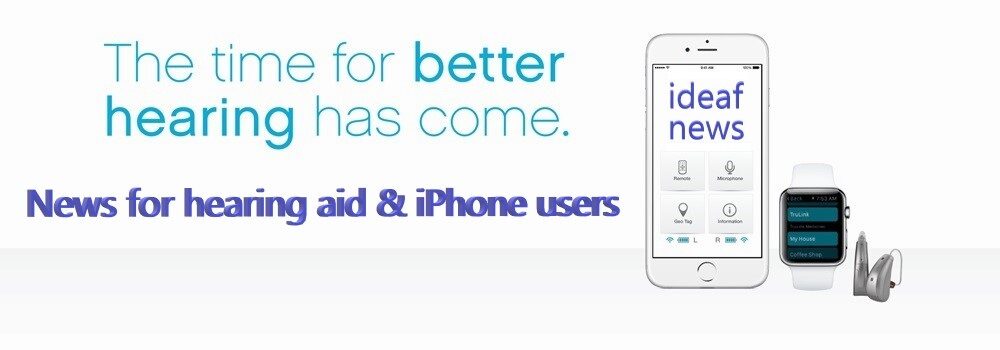
Last Updated on 13/02/2026 by Admin
Explore the Comprehensive Benefits of Hearing Aids and Wearable Technology
What Are the Fundamental Components of Hearing Aids and Wearable Devices?
Understanding the fundamental components of hearing aids and wearable technology is essential for leveraging their full potential in everyday scenarios. These devices typically comprise critical hardware elements, including microphones, speakers, and sensors. These are paired with advanced software systems that facilitate smooth interaction and efficient data analysis. The harmonious integration of these components significantly enhances auditory perception and functionality across diverse activities, allowing users to engage more meaningfully with their environment. Whether conversing or participating in social gatherings, these technologies dramatically improve the user experience, making every interaction more enjoyable and enriching.
- Microphones: Capture external sounds for enhancement and amplification.
- Speakers: Deliver the amplified sounds directly to the ear for clarity.
- Sensors: Monitor environmental conditions and user activities for real-time insights.
- Bluetooth Module: Establishes wireless connectivity with various wearables.
- Microprocessors: Execute algorithms that process sound for optimal performance.
- Battery: Supplies power to ensure extended operational longevity.
- Software App: Facilitates adjustments and monitoring via smartphones for user convenience.
How Do Hearing Aids and Wearable Devices Initiate Their Connection?
The process for establishing an initial connection between hearing aids and wearables typically begins with Bluetooth pairing. This straightforward yet crucial step requires both devices to be placed in pairing mode. This pairing allows the devices to identify each other and share essential data smoothly, unlocking functionalities such as audio streaming and activity synchronisation. It is vital for users to confirm compatibility specifications to ensure a successful connection during the setup process. Taking these necessary steps guarantees effective communication between both devices, leading to a more satisfying user experience overall.
What Are the Significant Benefits of Core Features in Hearing Aids?
Core features, including sound amplification and real-time data sharing, substantially improve the user experience associated with hearing aids and wearables. Amplification ensures that users can hear conversations with remarkable clarity, while real-time data sharing allows wearables to gather essential health metrics efficiently. These functionalities not only enhance communication but also facilitate smoother interactions across a variety of settings, making social engagements more enjoyable. By utilising these features, users can navigate social environments more adeptly and maintain meaningful connections with those around them, thus enriching their everyday lives.
How Is the Integration of Hearing Aids and Wearable Devices Achieved?
What Technologies Play a Key Role in This Integration Process?
The successful integration of hearing aids and wearables relies significantly on cutting-edge technologies, particularly Bluetooth and unique wireless protocols. Bluetooth technology allows for high-fidelity audio streaming and effective data transfer, enabling devices to synchronise effortlessly. This technological synergy guarantees users a seamless experience, as both devices collaborate to provide instant feedback and extensive monitoring capabilities. By harnessing these innovative technologies, users can fully utilise their hearing aids and wearables, leading to improved interaction and overall satisfaction in their daily activities.
What Steps Should be Followed for Smooth Pairing of Devices?
Linking hearing aids with wearables involves a few straightforward steps that users can easily follow to ensure a successful connection. First, users should make sure both devices are fully charged and updated to the latest software version to avoid any compatibility complications. Next, access the Bluetooth settings on the wearable device and select the hearing aid from the list of available options. Follow any prompts that appear on-screen to finalize the pairing process. This user-friendly approach helps individuals avoid common pitfalls and guarantees a seamless integration experience, optimising the benefits offered by both devices.
What Potential Challenges May Occur During Operation?
While the integration of hearing aids and wearables generally functions smoothly, users might occasionally face challenges such as audio interference or connection dropouts. These issues often arise due to environmental factors or interference from nearby electronic devices. Effective troubleshooting strategies include moving away from potential sources of interference, checking battery levels to ensure sufficient power, and restarting both devices to re-establish a stable connection. By proactively addressing these challenges, users can uphold the performance and reliability of their integrated devices, ensuring a consistently high-quality experience.
What Are the Primary Advantages of Merging Hearing Aids and Wearable Technology?
How Does Integration Transform Daily Life and Communication?
The integration of hearing aids with wearables significantly transforms daily life by enhancing communication and streamlining activity tracking. Users can enjoy clearer phone conversations, listen to music directly through their hearing aids, and engage in social interactions with increased ease and enjoyment. Furthermore, the ability to monitor vital health metrics, such as heart rate and physical activity levels, motivates individuals to maintain an active and healthy lifestyle. This integration empowers users to connect more effectively with their surroundings and manage their well-being optimally, making a substantial difference in their overall quality of life.
What Are the Practical Applications of Integrated Hearing Aids and Wearables in Everyday Life?
The practical applications of integrated hearing aids and wearables are evident in various scenarios, including fitness routines and social gatherings. For instance, during exercise, hearing aids can stream music directly from a smartwatch while simultaneously monitoring the user’s heart rate, which helps keep motivation levels high. In social situations, these devices enable users to dynamically adjust volume levels, ensuring they can engage in conversations without distractions. This versatility makes integrated devices incredibly adaptable, significantly enhancing the user experience across a multitude of environments and situations.
What Long-Term Health Benefits Can Be Gained from Using Integrated Devices?
The long-term benefits associated with using integrated hearing aids and wearables extend well beyond merely enhancing communication capabilities. Continuous monitoring of hearing health and activity levels is crucial for supporting users’ overall well-being. Regular utilisation of these devices can lead to improved cognitive health and a reduced risk of complications associated with untreated hearing loss. Monitoring key metrics such as hearing health, activity levels, heart rate variability, and Sleep quality empowers users to take proactive steps in managing their health effectively and maintaining a balanced lifestyle.
- Hearing health metrics
- Activity levels
- Heart rate variability
- sleep quality
Expert Perspectives on the Integration of Hearing Aids and Wearable Technology
What Valuable Insights Do Experts Provide Regarding This Integration?
Expert analyses reveal that the integration of hearing aids and wearables creates a powerful synergy that markedly enhances the user experience. Real-world examples showcase how users can receive alerts for messages or calls directly through their hearing aids, enabling them to stay connected without constantly reaching for their phones. Practical recommendations include regularly updating both devices and exploring all available features to maximise the numerous benefits this integration offers. By leveraging expert insights, users can make informed choices regarding their device usage and enjoy a more enriching experience.
What Advanced Features Do Specialists Emphasise in This Integration?
Specialists underscore the importance of advanced features, such as adaptive algorithms that adjust sound processing based on environmental cues. These capabilities allow hearing aids to automatically fine-tune settings to accommodate various surroundings, providing a personalised auditory experience. Understanding and utilising these advanced options enables users to optimise their devices effectively, significantly enhancing their overall satisfaction and functionality. By embracing these technologies, users can achieve a more tailored experience that aligns with their unique auditory needs and preferences.
What Proven Strategies Can Enhance Integration Performance?
Experts recommend several strategies for optimising the setup of hearing aids and wearables, ensuring consistent reliability and top-tier performance. These strategies include routinely checking for software updates, maintaining devices in good working order, and utilising companion applications for personalised adjustments. By adhering to these best practices, users can profoundly enhance their satisfaction and prolong the lifespan of their devices. Such proactive measures contribute to a seamless integration experience that users can confidently rely upon for their auditory needs.
What Expert-Recommended Strategies Can Aid in Troubleshooting Integration Challenges?
Diagnosing and resolving common integration challenges necessitates a systematic and thoughtful approach. Experts suggest maintaining a comprehensive checklist that includes verifying device compatibility, ensuring Bluetooth functionality is enabled, and restarting both devices as an initial step. Furthermore, employing diagnostic tools available in companion applications can help swiftly identify issues, leading to improved connectivity and overall user satisfaction. By following expert recommendations, users can troubleshoot effectively and maintain optimal performance of their integrated devices.
What Future Trends Do Experts Anticipate for Hearing Aid and Wearable Integration?
Looking ahead, experts predict several emerging trends in the integration of hearing aids and wearables, particularly the increased adoption of AI technologies. Such advancements have the potential to enable devices to learn user preferences over time and substantially enhance interaction capabilities. Adapting current setups to accommodate these future developments will ensure users receive the maximum long-term benefits from their integrated devices. Staying informed about these trends will empower users to leverage the evolving technologies to their advantage.
What Challenges Are Associated with the Integration of Hearing Aids and Wearables?
How Do Compatibility Issues Emerge During Device Integration?
Compatibility issues often arise from discrepancies in technology standards and device specifications. Users may encounter challenges when attempting to pair devices that do not support the same Bluetooth profiles or protocols. Understanding the specifications and compatibility requirements of both devices is essential for effectively identifying and resolving these potential incompatibilities. Being proactive in checking compatibility ensures a smoother integration process and significantly enhances the overall user experience.
What Maintenance Challenges Might Users Face?
Routine maintenance challenges, such as battery life management and software updates, are common with integrated devices. Users should establish a consistent schedule for charging and updating their devices to maintain optimal performance. Implementing preventive measures, such as using a dedicated charging station and routinely checking for software updates, can greatly enhance the longevity and reliability of these technologies. By prioritising maintenance, users can ensure their devices continue to function effectively over time, safeguarding their investment.
How Can Users Overcome Barriers to Successful Integration?
Potential obstacles for users, such as difficulties with initial setup or navigating complex device interfaces, can impede successful integration. Effective solutions include providing clear instructional materials, offering video tutorials, and delivering robust customer support for troubleshooting. Making the integration process more accessible and user-friendly is crucial for maximising the benefits of these technologies, ensuring that users feel empowered and confident when utilising their devices.
Innovations and Future Developments in Hearing Aid Technology
What Innovations Are Anticipated in the Near Future?
Future innovations in the integration of hearing aids and wearables are expected to focus on enhancements driven by artificial intelligence, which will enable more personalised and responsive interactions between devices. These advancements could fundamentally change how users engage with their integrated technologies, promoting enhanced user satisfaction and improved tracking of critical health metrics. By embracing these innovations, users can look forward to a new era of auditory technology that prioritises their individual needs and preferences, ensuring a more tailored experience.
How Will Software Updates Evolve to Enhance User Experience?
Software updates are expected to introduce a variety of new features and improvements to the connectivity between hearing aids and wearables. Emerging trends may encompass enhanced user interfaces, improved security measures, and seamless data-sharing capabilities. These updates will be essential for keeping devices relevant and functional in an ever-evolving technological landscape. Users should remain engaged with their devices’ software developments to fully benefit from the latest advancements and enhancements.
- Enhanced user interfaces
- Increased security protocols
- Improved data analytics
- Real-time health monitoring
What Hardware Developments Are Shaping Device Integration?
New hardware designs are anticipated to positively influence device integration, with a focus on durability and efficiency. Innovations in materials and battery technology are likely to extend device longevity, while advancements in sensor technology can enhance the accuracy of data collection and environmental adaptation. By incorporating these hardware improvements, manufacturers can enhance the overall user experience and ensure long-lasting performance for both hearing aids and wearables, fostering user confidence in their devices.
How Will 5G and Future Wireless Technologies Impact Device Integration?
The rollout of 5G networks and future wireless technologies is set to revolutionise connectivity for hearing aids and wearables. With lower latency and higher data transfer rates, users will experience enhanced real-time interactions and improved device synchronisation. This advancement sets the stage for even more sophisticated applications in hearing health management, ensuring that users can fully leverage the capabilities offered by integrated devices to improve their quality of life.
Proven Strategies for Effective Integration of Hearing Aids and Wearable Technology
Why Is Personalisation Key to User Satisfaction?
Personalisation plays a crucial role in achieving successful integration, as it empowers users to tailor their device settings according to their individual preferences and requirements. By focusing on actionable steps, such as utilising built-in adjustment features and customising notifications, users can create a more engaging experience that evolves alongside their needs. This level of personalisation not only enhances overall satisfaction but also encourages consistent and effective use of the technology for improved outcomes.
What Best Practices Should Be Followed to Optimise Device Performance?
To ensure the optimal performance of hearing aids and wearables, users should adopt best practices that include regularly cleaning devices, effectively managing battery usage, and actively engaging with community feedback. Real-world examples, such as sharing experiences in online forums, can provide valuable insights that help enhance device functionality. By following these recommended practices, users can significantly improve their overall experience with their integrated devices, ensuring they operate at peak efficiency.
How Can Users Ensure the Longevity of Their Devices?
Maintaining the longevity of integrated devices demands a proactive approach to care and regular upgrades. Users should stay informed about the latest advancements in technology and consider periodic assessments to identify opportunities for enhancements. This commitment to device care not only ensures reliable performance but also maximises the user’s investment in their hearing aids and wearables over the long term, providing peace of mind and sustained satisfaction.
How Can User Experience with Hearing Aids and Wearables Be Enhanced?
What Personalisation Options Should Users Consider Exploring?
Personalisation options, such as adjustable sound settings and customizable notifications, can significantly enhance user comfort and satisfaction. Users should actively explore these features within their device settings, allowing them to create a tailored experience that aligns with their unique preferences and lifestyles. This level of customisation fosters a deeper connection between users and their devices, ultimately leading to improved overall satisfaction and engagement with the technology.
How Can Manufacturers Effectively Address User Feedback Mechanisms?
User feedback is essential for refining integration adjustments and enhancing overall product quality. By actively encouraging users to share their experiences and suggestions, manufacturers can refine their products to better meet consumer needs, ultimately promoting greater control and satisfaction among users. Establishing an ongoing dialogue with users helps ensure that device performance aligns closely with user expectations and requirements, leading to a more positive experience overall.
What Strategies Can Be Implemented to Enhance Accessibility Features?
Enhancing integration involves a concentrated focus on accessibility features that cater to diverse user needs, ensuring that all individuals can benefit from the technology. This may include simplifying user interfaces, providing voice command options, and offering visual aids to clarify device functions. By prioritising inclusivity in design, manufacturers can create a more intuitive experience that accommodates users of all abilities, leading to broader adoption and enhanced satisfaction among diverse demographics.
How Can Interface Design Improve User Engagement and Satisfaction?
Crafting intuitive interfaces is vital for maximising user engagement with integrated devices. Strategies can include employing appealing colour schemes, logically organised layouts, and interactive elements that guide users seamlessly through available functionalities. Such thoughtful design considerations lead to higher satisfaction levels and increased usability, making it easier for users to navigate their devices and access their features effectively and efficiently.
How Can Analytics Be Utilised to Improve User Experience?
Integrating analytics into user behaviour monitoring allows manufacturers to make informed, data-driven decisions for effective feature refinement. By continuously assessing user interactions, companies can identify pain points and implement enhancements that elevate the overall user experience. This ongoing evaluation ensures that devices remain relevant, effective, and responsive to user needs, ultimately fostering greater user satisfaction and loyalty.
Essential Maintenance Practices for Integrated Hearing Aids and Wearable Technology
How Can Users Effectively Troubleshoot Integration Issues?
Effective troubleshooting necessitates a structured and methodical approach to addressing common issues. Users should begin with a comprehensive checklist that includes verifying battery levels, ensuring Bluetooth settings are activated, and consulting the user manual for specific error messages. By adhering to these steps, users can guarantee uninterrupted integration and swiftly resolve any challenges that may arise, ensuring a smooth and enjoyable experience with their devices.
What Routine Updates and Care Are Necessary to Ensure Optimal Performance?
Establishing a routine for device updates and care is critical for maintaining the optimal functionality of hearing aids and wearables. Users should schedule regular check-ups that encompass software updates and physical cleaning to prevent malfunctions and ensure devices are performing at their best. By prioritising routine care, users can extend the lifespan of their devices and significantly enhance their overall experience, leading to sustained satisfaction over time.
How Should Users Monitor Device Performance Over Time?
Ongoing evaluation of device performance is essential for sustaining optimal integration between hearing aids and wearables. Users can track performance metrics through companion applications, carefully noting any discrepancies or issues that arise during usage. Regular assessments help ensure that devices continue to meet user needs effectively, allowing for timely adjustments and improvements as necessary. This proactive monitoring fosters a more reliable and enjoyable experience for users.
Frequently Asked Questions About Hearing Aids and Wearable Technology
How do hearing aids and wearables work together to enhance overall user experience?
Hearing aids and wearables collaborate through wireless technologies like Bluetooth to share data and improve user experience significantly. This integration enables features such as audio streaming, activity tracking, and personalised adjustments, making daily interactions smoother and more enjoyable for users.
What benefits can users expect from integrating hearing aids with wearable devices?
The integration of hearing aids and wearables enhances communication, tracks vital health metrics, and improves the overall quality of life. Users can expect clearer conversations and better management of their health through continuous monitoring, leading to a more fulfilling lifestyle and enhanced well-being.
Can I customise the settings on my hearing aids and wearables to suit my preferences?
Yes, both devices typically offer a variety of customisation options, including sound settings, notifications, and health tracking parameters. This flexibility empowers users to tailor their experience to meet their individual preferences and needs, enhancing overall satisfaction with the technology.
What should I do if my hearing aids and wearables fail to connect?
If devices will not connect, first ensure that Bluetooth is enabled, check for pending software updates, and restart both devices. If connectivity issues persist, consulting the user manual for troubleshooting steps can provide additional guidance and help resolve the problem effectively.
How frequently should I check for updates on my hearing aids and wearables?
It is advisable to regularly check for software updates, typically every few weeks or whenever prompted by the device. Keeping devices up to date ensures optimal performance and access to the latest features available, enhancing the overall user experience.
What common issues might I encounter when integrating these devices?
Common challenges include connectivity issues, battery life concerns, and potential interference from other electronic devices. Addressing these challenges often involves utilising troubleshooting techniques and regular maintenance to ensure seamless operation and optimal performance of the devices.
How does the integration of hearing aids and wearables enhance health monitoring capabilities?
Integration enables continuous tracking of health metrics such as heart rate and activity levels, providing users with valuable insights into their overall health. This information allows for timely adjustments to lifestyle choices, fostering better health management and encouraging users to lead healthier lives.
Are there specific wearables that are recommended for use with hearing aids?
While many wearables are compatible with hearing aids, those equipped with advanced health monitoring features and robust Bluetooth connectivity are generally recommended. It is essential for users to verify compatibility with specific hearing aid models before making a choice to ensure optimal performance and integration.
What future trends should we anticipate in hearing aid technology?
Emerging trends may include advancements driven by artificial intelligence, improved connectivity through 5G networks, and more sophisticated health monitoring capabilities. These innovations aim to provide users with a more seamless and enriched experience while utilising their devices, driving the evolution of hearing aid technology.
How can I ensure my devices remain compatible as technology continues to evolve?
Staying informed about software updates, new features, and emerging technologies is key to ensuring ongoing compatibility. Engaging with user forums and manufacturer communications can provide valuable insights into future developments and necessary adaptations, helping users maintain the effectiveness of their devices.
Discover our world on X!
The post Hearing Aids and Wearables: Essential Benefits Explained appeared first on The Microsuction Ear Wax Removal Network.
The post Hearing Aids and Wearables: Essential Benefits Explained appeared first on Healthcare Marketing Service.